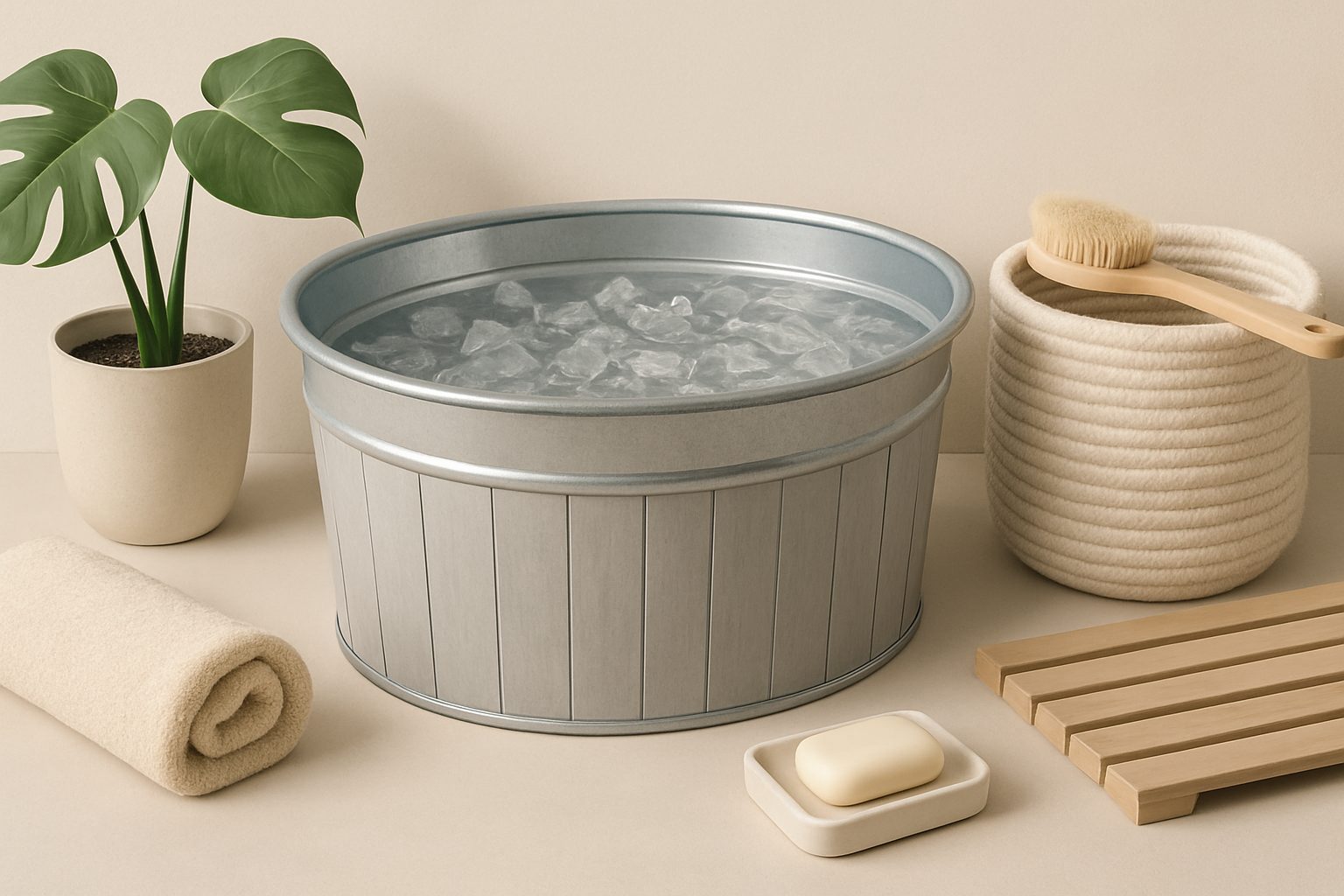
Best Cold Plunge Tanks with Built-In Chiller Unit UK: No Ice Required
Buying bags of ice for cold plunges is expensive, inconvenient, and wasteful. A built-in chiller unit turns your plunge tank into a reliable cold-water therapy tool that maintains temperature automatically—no daily trips to the supermarket, no melting ice to deal with. If you're serious about regular cold exposure, an electric chiller is the practical choice.
The challenge is knowing which models deliver real performance without overshooting your budget. Chiller-equipped tanks range from £2,000 to £10,000+, and the differences matter: cooling range, noise output, energy consumption, and filtration quality all affect daily usability and running costs.
What to Consider When Choosing a Chiller Unit
Cooling capacity and target temperature
Chillers are rated by how many degrees below ambient temperature they can cool, and how many watts they consume doing it. Most domestic units can reach 4–8°C in ambient conditions of 20°C. Look for a chiller specified for your intended use: if you want reliably cold water year-round in a UK climate, you need at least 5–8°C achievable in summer months.
Tank volume matters too. A 1.5kW chiller will cool a 300-litre tank faster than a 1000-litre tank. Smaller tanks (around 100–200 litres) heat up and cool down quickly, which is useful if you're chasing temperature precision; larger tanks (500+ litres) feel less cramped but demand more chiller power to maintain cold temperatures.
Noise levels
Chiller units generate noise. Most domestic models run at 65–75dB, roughly equivalent to a washing machine or busy road traffic. A poorly insulated garage or garden space turns this into a constant annoyance. Check the decibel rating in the product specs—premium models sometimes include better sound dampening. If noise is a concern, position the tank in a well-ventilated location away from where you spend quiet time.
Energy draw
A 1.5kW chiller running continuously costs roughly £0.25–0.35 per day to operate (at current UK rates), or £75–105 monthly if running 24/7. Most users don't need continuous cooling—you can run the chiller to target temperature, then cycle it on intermittently to maintain it. This roughly halves running costs. Budget £30–50 monthly for an average domestic setup.
Filtration and water maintenance
Stagnant water breeds algae and bacteria. Built-in filtration—usually a cartridge or sand filter with a pump—keeps water clean between uses. Check the micron rating (smaller is more thorough) and filter replacement intervals. Some units include UV sterilisation as an add-on, which is genuinely useful in UK climates where tank exposure and temperature fluctuations favour microbial growth.
Premium Options
Cold plunge tanks £5,000–£10,000 range
Premium models typically include a larger chiller (2–3kW), integrated circulation and filtration, quieter operation (65dB or less), and better temperature precision. The ice-bath or branded European imports in this bracket often come with superior insulation, meaning chiller runtime is shorter and energy bills are lower over time.
Key features to expect: stainless steel or reinforced polyethylene construction, redundant circulation systems, ozone or UV sterilisation, and digital temperature control. Premium doesn't always mean better value—you're often paying for brand reputation and aesthetics—but it does mean fewer reliability headaches and better long-term support.
What you gain: Consistent temperature stability (±1°C), quieter operation, lower energy costs, and typically longer chiller lifespan. Useful if you're using the tank daily or running it in a noise-sensitive location.
What you give up: £6,000–9,000 upfront capital, plus space for a larger tank footprint.
Mid-Range Options
Cold plunge tanks £2,500–£4,500 range
Mid-range chiller-equipped tanks (usually 300–500 litres) pair a 1–1.5kW chiller with basic filtration and insulation. Temperature stability is ±2–3°C, and noise output sits around 70dB. These models are reliable workhorses for 2–3 weekly plunges.
Common setups include fibreglass or high-density polyethylene tank bodies with basic circulation pumps and cartridge filters. Digital temperature controls are now standard even at this price point. Build quality is respectable, though plastics and seals aren't as robust as premium equivalents.
What you gain: Lower capital outlay, adequate performance for regular but not daily use, significantly cheaper installation and shipping.
What you lose: Longer chiller runtime (higher monthly energy costs), less precise temperature control, louder operation, and potentially shorter component lifespan (5–7 years vs 10+ for premium models).
Running Costs and Practical Reality
A mid-range chiller-equipped tank costs £40–60 monthly in electricity if you're using it 3–4 times weekly. Water testing and occasional filter replacements add £15–25 annually. Premium models cost £20–35 monthly to run due to better insulation, offsetting their higher purchase price over 5 years.
Ice-based plunging costs vary wildly depending on usage, but expect £15–30 weekly if you're doing weekly plunges. Over a year, you're spending more on ice than on chiller electricity.
Pros and Cons
Built-in chiller advantages:
- No daily ice buying; automatic temperature control
- Energy costs lower than frequent ice replacement
- Water stays cleaner with proper filtration
- Usable year-round in UK climates
Honest drawbacks:
- High upfront cost (£2,500+)
- Noise output requires thoughtful placement
- Chiller maintenance and eventual repairs are specialist tasks
- Takes up garden or garage space permanently
Conclusion
If you're committed to regular cold-water immersion, a built-in chiller tank is the most practical UK solution. Mid-range models (£2,500–4,000) offer genuine value and suit most home users; premium options justify their cost only if you're using the tank daily or in noise-sensitive surroundings.
Skip chiller tanks if you're experimenting casually—ice works fine for occasional use. But for consistent, temperature-controlled cold plunging without the weekly ice run, a decent chiller-equipped tank pays for itself within two years.
More options
- Cold Plunge Tubs & Ice Bath Tanks (Amazon UK)
- Inflatable Cold Plunge & Ice Bath Inflatables (Amazon UK)
- Cold Water Chiller & Cooling Units (Amazon UK)
- Waterproof Thermometers & Cold Plunge Accessories (Amazon UK)
- Ice Bath Covers, Steps & Recovery Accessories (Amazon UK)